The Virgin Islands, split between British and American governance, are often viewed separately, yet they share a deep and interwoven legacy. Their proximity, cultural overlap, and mutual history of colonialism, migration, and resilience bind them in ways that transcend modern political borders.
This post explores how the British Virgin Islands (BVI) and U.S. Virgin Islands (USVI) have influenced each other historically and culturally, and how these ties continue to shape their identities, economies, and approaches to historic preservation today.
A Shared Colonial Past
Both the BVI and USVI were once colonies of European powers that fought over control of Caribbean territory. The USVI, formerly the Danish West Indies, was sold by Denmark to the United States in 1917. The BVI, meanwhile, remained under British control and is now a British Overseas Territory.
Despite these different trajectories, their colonial pasts echo with similar themes: enslaved labor, plantation economies, maritime trade, and resistance.
Common Threads:
Slavery and Emancipation: Enslaved Africans in both territories faced similar conditions under colonial rule. Emancipation came at different times (1834 in the BVI, 1848 in the USVI), but its cultural and political aftermath reverberates across both island chains.
Plantation Architecture: Ruins and remnants of sugar plantations—windmills, greathouses, and slave quarters—are found throughout both territories, often preserved as part of heritage tourism efforts today.
Cultural Crossroads: Language, Religion, and Tradition
Though English is the official language in both the BVI and USVI, local dialects, customs, and creole expressions create a rich cultural landscape shaped by African, European, and Caribbean influences.
Religious Connections:
Christianity, particularly Anglican, Methodist, and Moravian denominations, has long been a unifying spiritual force. Churches across the islands often have sister congregations or shared histories dating back to missionary activity in the 18th and 19th centuries.
Festivals and Traditions:
The celebration of Emancipation Day, Carnival, and St. Ursula’s Day (the patron saint of the Virgin Islands) reflect shared historical milestones and community pride.
Music, particularly quelbe in the USVI and fungi in the BVI, showcases the African roots of island culture and often features similar instruments and rhythms.
Economic and Social Exchange
Even today, the BVI and USVI maintain strong economic and social ties. Many residents travel between the islands regularly for work, education, healthcare, and family connections.
Migration and Family Ties:
Families are often spread across both island groups. It’s not uncommon for someone from Tortola (BVI) to have cousins in St. Thomas (USVI), and vice versa.
Migration between the islands has created tight-knit communities with blended traditions.
Trade and Tourism:
Inter-island trade, especially in agriculture, livestock, and crafts, has existed for centuries.
Tourism is a shared economic pillar. Cruise ships, sailing charters, and eco-tourism packages often include stops in both the USVI and BVI, creating opportunities for collaborative marketing and cultural exchange.
Historic Preservation Across Borders
Both territories have placed increasing emphasis on preserving their historical sites, oral traditions, and architectural heritage.
USVI Efforts:
The Virgin Islands State Historic Preservation Office (VI SHPO) oversees preservation planning, National Register nominations, and public education.
Restoration of historic districts in Charlotte Amalie (St. Thomas) and Christiansted (St. Croix) reflect the islands’ Danish colonial past.
BVI Efforts:
The BVI Department of Culture, alongside community organizations, is engaged in preserving traditional crafts, historic sites (like the Callwood Rum Distillery), and archival records.
Heritage initiatives such as storytelling festivals and cultural heritage month highlight the unique BVI identity while acknowledging regional connections.
Cross-Island Collaboration:
Academic institutions and NGOs have begun to explore shared heritage projects, oral history collections, and joint exhibitions.
Discussions around climate resilience and preservation of coastal heritage sites are increasingly becoming regional efforts due to the shared vulnerability of both island groups.
Challenges and Opportunities
While shared history offers a foundation for collaboration, political and infrastructural differences can pose challenges.
Challenges:
Different governance systems (U.S. federal vs. British overseas territory regulations) create bureaucratic barriers.
Currency, legal systems, and education frameworks differ, which can complicate joint initiatives.
Opportunities:
Cultural Exchange Programs: Schools, museums, and arts organizations could benefit from more structured inter-island exchanges.
Regional Preservation Networks: A unified Virgin Islands preservation alliance could support training, funding, and awareness campaigns.
Heritage Tourism: Collaborative heritage tourism packages that celebrate both sides of the Virgin Islands could help sustain historic sites and boost local economies.
Two Flags, One Legacy
Though governed by different nations, the people of the British and U.S. Virgin Islands share more than geography. They share family lines, cultural rhythms, ancestral stories, and a profound commitment to preserving the beauty and resilience of their shared heritage.
Preservationists, educators, and community leaders on both sides of the border have an opportunity to collaborate, honor their intertwined histories, and ensure that the legacy of the Virgin Islands continues to inspire future generations—no matter the flag they fly.
The ABC islands—Aruba, Bonaire, and Curaçao—are a trio of Caribbean territories that sit just north of Venezuela. Though united under Dutch colonial rule for centuries, each island has developed a distinct culture and identity rooted in a shared yet nuanced history. From the legacy of the Dutch West India Company to today’s efforts to preserve unique architectural and linguistic traditions, the ABC islands are vital to understanding the broader Caribbean story.
Colonial Origins: The Dutch Take Root
The ABC islands were colonized by the Dutch in the 17th century, part of the wider expansion of the Dutch West India Company. Prior to Dutch arrival, the islands were home to the Caquetío people, part of the Arawakan linguistic family, whose archaeological footprints are still evident in cave art and petroglyphs.
The Caquetío people are believed to have migrated north from present-day Venezuela, sailing across the narrow stretch of sea known as the Venezuelan Basin. They were expert navigators and established semi-permanent settlements along coastal areas and interior plains, thriving through fishing, cassava cultivation, hunting, and craftsmanship, particularly pottery and petroglyph carving.
The Spanish began colonizing the ABC islands in the late 15th and early 16th centuries. Many Caquetío were forcibly relocated to Hispaniola and other Spanish colonies to labor in mines and plantations, particularly after 1499, when Spanish explorer Alonso de Ojeda arrived in the region.
However, small Caquetío populations remained or returned to the islands, often adapting to colonial life through intermarriage, trade, and subtle cultural resistance. By the time the Dutch seized control in the 17th century, the Caquetío had already experienced a century of upheaval, yet their presence endured—often hidden within Afro-Caribbean, mestizo, and Creole identities.
Slavery and Emancipation
While sugar plantations never dominated the ABC islands to the extent they did on other Caribbean islands, enslaved Africans were still a significant part of society. Curaçao became one of the largest slave depots in the Caribbean, where thousands of enslaved people were brought before being sold throughout the region.
Slavery was abolished in 1863 in the Dutch Caribbean. Unlike other islands, emancipation on the ABC islands leads to a transition toward small-scale farming, fishing, and maritime trades rather than plantation-style labor systems. Today, descendants of enslaved Africans play a central role in cultural preservation and identity-building across the islands.
Language, Culture, and Identity
The ABC islands are known for their multilingualism and cultural hybridity. One of the most distinctive elements of identity is the Papiamentu (Curaçao and Bonaire) and Papiamento (Aruba) language—a Creole that blends Portuguese, Dutch, Spanish, African languages, and Indigenous Arawakan roots.
Cultural Expressions:
Carnival and Tambú music carry African and Afro-Caribbean rhythms and traditions, often intertwined with protest and resistance.
Architecture, particularly in Willemstad, Curaçao, reflects a fusion of Dutch gables, Caribbean color palettes, and tropical adaptations. Willemstad’s historic district is a UNESCO World Heritage Site.
Crafts, food, and religious traditions such as syncretic Catholicism also reflect centuries of blending cultures.
Curaçao: Maritime Hub and Cultural Powerhouse
Curaçao, the largest of the three, quickly developed into a maritime powerhouse under Dutch rule. Its strategic harbor, Schottegat, became the center of trade, particularly in enslaved persons and salt.
Historic legacies include:
Fort Amsterdam and other 17th-century military structures
The Mikvé Israel-Emanuel Synagogue, the oldest surviving synagogue in the Americas
A rich archive of oral traditions and post-emancipation folk stories, many of which are still told during local festivals and cultural gatherings
Aruba: Oil, Autonomy, and Identity
Aruba’s modern identity was shaped in part by the establishment of the Lago Oil & Transport Company in the 1920s, which attracted immigrants from across the Caribbean, Latin America, and Europe.
In 1986, Aruba gained “Status Aparte” from the Netherlands Antilles, becoming a separate entity within the Kingdom of the Netherlands.
Aruba has emphasized cultural tourism and heritage preservation, including the restoration of Fort Zoutmanand support for archaeological parks to preserve Indigenous history.
Bonaire: Nature and Spiritual Heritage
Bonaire, often seen as the most tranquil of the three, has preserved a strong connection to nature and spiritual heritage.
Rincon, one of the oldest towns in the Dutch Caribbean, is home to some of the most authentic expressions of Afro-Caribbean traditions.
The island is known for its preservation of slave huts, salt pans, and maritime routes used during the colonial era.
Cultural events like Simadan (harvest festival) celebrate African-Caribbean agricultural roots and community resilience.
Post-Colonial Realities and Preservation Efforts
Though still part of the Kingdom of the Netherlands, the ABC islands maintain political and cultural autonomy to varying degrees. Today, preservation of cultural heritage is a growing focus across the islands.
Key Preservation Efforts:
UNESCO and local government programs to protect historic districts and sites
Museums and cultural centers focusing on Afro-Caribbean history, the legacy of slavery, and Indigenous heritage
Environmental preservation linked to cultural identity, such as the safeguarding of coral reefs and traditional fishing practices
Inter-Island and Regional Influence
While distinct, the ABC islands have long interacted with other parts of the Caribbean and South America:
Shared trade, migration, and cultural exchange with Venezuela, Colombia, Haiti, and the Lesser Antilles
Migration of ABC islanders to the U.S., the Netherlands, and neighboring islands has spread cultural traditions and created a vibrant diaspora
Cultural and religious connections to Curaçaoan Judaism, Afro-Caribbean spirituality, and Catholic ritualscan be traced to broader Caribbean developments
A Living Legacy
The ABC islands—Aruba, Bonaire, and Curaçao—tell a layered story of colonial conquest, resilience, cultural fusion, and identity. As modern tourism and globalization reshape the Caribbean, these islands continue to prioritize preservation, storytelling, and education to keep their history alive.
Saint Barthélemy, better known as St. Barths, is often associated with high-end tourism and luxury getaways. But beneath its glamorous exterior lies a rich, layered history deeply shaped by French colonialism. Though the island passed briefly into Swedish hands during the 18th century, its people remained culturally French, holding fast to their language, faith, and rural traditions.
This deep-rooted identity continued to thrive even as generations of islanders left St. Barths in search of better opportunities. What they took with them—language, foodways, religious practices, craftsmanship—continues to shape the culture of several Caribbean islands today.
The 19th & 20th Century Exodus
By the late 1800s and early 1900s, economic hardship, limited agricultural prospects, and environmental challenges drove many St. Barths families to migrate. Their journeys were not random; they followed trade routes, familial networks, and economic opportunities to nearby islands—especially St. Thomas in the U.S. Virgin Islands, but also to:
St. Croix (U.S. Virgin Islands)
Guadeloupe and Martinique
St. Kitts and Nevis
Puerto Rico
Dominica
Antigua
Sint Maarten / Saint-Martin
In each of these destinations, the migrants planted cultural roots that endure to this day.
Cultural Threads Across the Caribbean
St. Thomas, U.S. Virgin Islands: A Cultural Epicenter
As one of the closest major ports to St. Barths, St. Thomas became a primary destination for emigrants. Here, the French Caribbean community established neighborhoods, churches, and family-run businesses. French surnames like Gumbs, Greaux, Quetel, and Blanchard remain common, and Catholic traditions—such as feast days and All Saints’ cemetery observances—remain central to their identity.
Preservation Legacy:
Catholic parishes founded or supported by French Caribbean migrants still thrive.
Bilingual and Creole Masses occasionally honor this heritage.
Descendants continue to maintain family cemeteries, oral histories, and culinary traditions.
St. Croix: Cultural Continuity Through Family and Faith
Though fewer in number than in St. Thomas, families of French St. Barths origin also settled in St. Croix. Their influence is most evident in Catholic institutions and cross-island family connections. Some brought artisanal skills such as masonry, carpentry, and boat building, contributing to local economies.
Legacy Highlights:
Strong kinship ties to families in St. Thomas and St. Barths.
Preservation of Catholic rites, foods, and French Creole expressions.
Guadeloupe and Martinique: Reconnecting with Francophone Family
Although technically “return” migrations to larger French territories, families from St. Barths also moved to Guadeloupe and Martinique in the 20th century. These migrations were often for education, employment, or medical care. Culturally, they found familiarity with the French language and customs, but also brought their island-specific traditions.
Impact:
Enriched the regional diversity of French Caribbean identity.
Brought St. Barths’ small-island customs into urbanized French Antilles spaces.
St. Kitts and Nevis: Quiet Contributions
In smaller numbers, St. Barths migrants settled in St. Kitts and Nevis, often integrating through intermarriage and the Catholic Church. Over time, many adopted English-speaking customs but retained their French surnames and family histories.
Legacy Today:
Oral histories mention “the French people” from St. Barths as skilled tradespeople and gardeners.
Some family burial grounds and church records still reflect these roots.
Puerto Rico and Dominica: Working the Land, Preserving the Faith
Seeking work in agriculture and construction, a few St. Barths families ventured farther afield to Dominica and Puerto Rico. In Dominica, they joined other French Creole-speaking populations. In Puerto Rico, they often found jobs in sugarcane plantations and urban trades, particularly in areas with existing French Caribbean diasporas.
Lasting Impressions:
Shared Catholic and French Creole ties helped blend cultures.
Intergenerational stories continue to surface in genealogical research.
Saint-Martin / Sint Maarten: A Cultural Crossroads
The dual-governed island of Saint-Martin/Sint Maarten became another key node in the French Caribbean diaspora. Many St. Barths families had kin on the French side of the island, making it a logical place to migrate.
Preservation Efforts:
Local historians have begun tracing French Caribbean migration across the Leeward Islands.
Cemeteries, family homes, and church records tell a shared story of resilience and adaptation.
Preservation Is More Than Place
The story of St. Barths’ French community is not just about movement—it’s about continuity. Even as migrants built new lives, they retained and reshaped their culture in response to new environments. Today, their descendants maintain deep ties to multiple islands, forming a web of inter-island identity that challenges modern notions of fixed nationality or static culture.
Key Elements of Preservation:
Oral Histories: Vital for capturing migration stories, language retention, and family customs.
Cultural Events: Festivals, church feasts, and community reunions keep traditions alive.
Built Heritage: Chapels, cemeteries, and modest homes hold clues to shared ancestry.
Archival Records: Baptismal, marriage, and immigration records help trace this unique diaspora.
A Living Heritage Across Waters
From St. Barths to St. Thomas, Dominica to Guadeloupe, the legacy of the French Caribbean diaspora is a living, breathing part of Caribbean heritage. It’s visible in food, names, architecture, and most powerfully—in people.
As regional preservationists and cultural advocates, we must recognize that heritage doesn’t stop at the shoreline. It flows—across generations, across languages, and across islands. Honoring the story of St. Barths’ French community means lifting up the voices and traditions that have traveled far and continue to shape the Caribbean’s collective identity today.
Historic preservation is not just about nostalgia or aesthetics. It’s also about smart reinvestment in communities and buildings that have stood the test of time. If you’re working with a building listed (or eligible for listing) on the National Register of Historic Places, then the federal Historic Tax Credit (HTC) program administered by the National Park Service (NPS) may be one of the most powerful tools in your toolbox.
But here’s the catch: the process of applying for HTC funding—especially through the NPS—requires careful documentation, preservation sensitivity, and an understanding of how to speak the language of both regulators and funders.
So how do you make your tax credit proposal stand out? Here are key tips to guide you through the process.
1. Know the Standards
The Secretary of the Interior’s Standards for Rehabilitation are the foundation of any HTC project. Every decision, material, and modification will be evaluated against these guidelines.
Before you touch the first doorknob or window frame, study these standards and understand their intent. This will help you anticipate concerns from your State Historic Preservation Office (SHPO) and the NPS—and avoid expensive surprises during the review process.
2. Tell a Strong Historic Story
Your HTC proposal isn’t just about the numbers—it’s about the narrative. A compelling application shows how your project preserves and honors the building’s historic character and significance.
Clearly describe:
What makes the building eligible for the National Register
How its use and architecture have evolved
What character-defining features will be retained or restored
This not only strengthens your case for funding—it also roots your project in authenticity.
3. Don’t Skip the Pre-Design Consultation
Before you finalize drawings or begin construction, set up a consultation with your SHPO. They can provide guidance that saves you time and money in the long run.
Early conversations can help:
Flag problematic alterations
Clarify how to handle damaged or missing historic materials
Determine what documentation (photographs, plans, research) will be expected
This step isn’t just smart—it’s strategic.
4. Emphasize Reversibility and Repair
The NPS prefers rehabilitation approaches that are reversible (meaning changes can be undone later) and that repairhistoric features instead of replacing them. Your proposal should show a clear hierarchy of treatment—repair first, replace only when necessary, and match the original materials and designs as closely as possible.
5. Show the Math (But Keep It Historic)
HTC proposals involve both a preservation plan and a financial one. You’ll need to:
Submit a three-part application (NPS Form 10-168)
Outline the scope of work and budget
Separate “qualified rehabilitation expenses” (QREs) from other costs
It’s essential to work with an accountant or consultant who understands what qualifies and what doesn’t under IRS and NPS rules. The more precise your QRE documentation, the smoother your approval process.
6. Use Visuals Wisely
Before-and-after images, historic photos, architectural drawings, and material samples all help reviewers visualize the scope and sensitivity of your project. Organize your visual documentation clearly and label everything.
Don’t forget: the NPS loves context. Wide shots, interior details, and existing conditions all matter. Make it easy for reviewers to see what’s at stake—and how you plan to honor it.
7. Learn From Past Projects
One of the best ways to strengthen your proposal is to study successful applications. Many SHPO websites or preservation advocacy groups share examples of completed HTC projects. Pay attention to how they framed their work, navigated challenges, and presented their documentation.
These models can inspire your own narrative—and help you avoid common mistakes.
Tips for State Credits and Add-ons
Many states offer additional tax credit programs that can be combined with the federal HTC. These often have their own application processes and deadlines, but they’re worth pursuing. Some states also provide grants or revolving loan funds for rehabilitation work.
If your project involves affordable housing, energy efficiency upgrades, or community development goals, you may be eligible for layered funding—which can strengthen your financial model and mission alignment.
The federal Historic Tax Credit program is more than just a funding tool—it’s a way to breathe new life into buildings that carry our cultural, architectural, and community stories. Writing a successful HTC proposal means balancing the art of preservation with the rigor of compliance and the strategy of storytelling.
With the right preparation, documentation, and team, you can protect the past—and pave the way for a more sustainable, rooted future.
Preserving cultural and historical heritage isn’t just the job of experts, institutions, or governments—it’s the responsibility of the entire community, and it starts with the youngest among us. Our cultures, traditions, and histories are living stories, passed down through generations. To ensure these stories continue, it is vital to instill a sense of ownership and responsibility for preservation in the hearts and minds of the youth.
But how do we nurture this sense of ownership early? How do we help children and young people see the value in protecting their culture and heritage? The answer lies in integrating preservation practices into their education, community life, and daily activities, allowing them to feel like active participants in preserving the world around them.
Here are some effective ways to cultivate a deeper connection to cultural, heritage, and history preservation from a young age.
1. Integrating Heritage Education into School Curriculums
The first and most influential place where children begin to understand their heritage is at school. By incorporating cultural and historical preservation into the curriculum, educators can foster a deep appreciation for their roots.
Ideas for schools:
Field Trips to Historical Sites: Taking students to local heritage sites, museums, and historical landmarks brings history to life and helps children connect personally with their past. Schools can arrange tours to heritage sites where students can learn about their history in the context of the physical space.
Heritage Week or Month: Schools can designate a week or month to celebrate local culture and history. This could involve local guest speakers, performances, and cultural displays showcasing art, music, and language.
Project-Based Learning: Encourage students to engage in research projects about their family history, local culture, or heritage sites. Let them present their findings to their classmates, highlighting how their own stories connect to the broader community history.
Global Example: The Maori Culture in New Zealand
In New Zealand, schools place a strong emphasis on Te Reo Māori (the Māori language) and Māori culture as part of their national curriculum. Students not only learn the language but also explore Māori history and traditional practices through hands-on activities such as weaving, carving, and storytelling. This approach connects students to the indigenous heritage of New Zealand, teaching them to value and preserve it.
Through these types of activities, children not only learn about their history but begin to see themselves as active participants in its preservation.
2. Encouraging Oral Traditions and Storytelling
Storytelling is one of the oldest and most powerful ways to transmit culture and history. In many cultures, oral history is the backbone of historical knowledge, passed down through generations via elders and community leaders.
Ways to encourage storytelling:
Intergenerational Programs: Organize opportunities for children to interact with their elders, such as “storytelling days” where grandparents, aunts, uncles, and community elders share family stories, folk tales, and cultural legends. This fosters respect for elders while giving young people a personal connection to their heritage.
Storytelling Competitions: Schools and community centers can hold storytelling contests where children recount their family’s history, folk tales, or local legends. The goal is not just to entertain but to engage young minds in preserving the narratives that make up their cultural identities.
Digital Storytelling: In today’s digital world, children can also learn to document their own oral histories using smartphones, videos, and social media. Encouraging the youth to create their own digital records can ensure these traditions are preserved in modern formats while connecting them to the broader world.
Global Example: The Griot Tradition in West Africa
In West Africa, the Griot tradition of storytelling has been preserved for generations. Griots are historians, poets, and musicians who pass down the oral history of their people. In countries like Senegal, schools and cultural organizations encourage young people to learn this art form as a way to understand their cultural heritage. By apprenticing with an older griot, young people not only learn the history of their ancestors but also take on the responsibility of preserving and sharing it for future generations.
3. Promoting Hands-On Heritage Preservation
Engagement goes beyond education—it’s about getting involved in the preservation of heritage and culture. By giving young people hands-on experience in maintaining and protecting cultural sites, traditions, and artifacts, they take on the role of stewards early in life.
Ways to engage children:
Community Heritage Projects: Organize clean-up or restoration days at local cultural sites, allowing children to physically participate in the upkeep of their heritage. These could be beaches, old churches, historical buildings, or local parks. Kids can take pride in knowing they are directly involved in preserving something of value to their community.
Art and Craft Preservation: Encourage children to learn traditional crafts and skills that have cultural significance, such as pottery, weaving, or wood carving. Not only does this help preserve these arts, but it also allows children to connect deeply with the materials and methods used by their ancestors.
Restoration Workshops: Organize workshops where kids can learn about the techniques used to restore historical objects or buildings. They could work alongside conservationists and artisans, gaining practical knowledge about the care and protection of heritage items.
Global Example: Italy’s Art Preservation Programs for Youth
In Italy, the city of Florence offers hands-on preservation workshops for young people interested in art restoration. Through programs like the Florence Institute of Art and Restoration, students work alongside conservators to restore paintings, sculptures, and historical monuments. These immersive experiences not only teach practical preservation skills but also instill a profound respect for the art and history they are helping to protect.
4. Using Technology to Connect the Past and Future
In the digital age, technology can be a powerful tool in helping young people understand and preserve their heritage. Virtual tours, interactive apps, and digital archives can make learning about history both accessible and engaging.
Ways to incorporate tech:
Virtual Reality (VR) Experiences: VR can take children on immersive journeys through historical sites, allowing them to experience their culture and history firsthand without leaving the classroom. VR can offer guided tours of museums, ancient ruins, or even local cultural festivals that no longer take place.
Digital Heritage Archives: Schools and museums can work together to create digital archives where young people can explore photographs, documents, and videos related to local history and culture. Giving students access to these resources encourages them to engage with the past in innovative ways.
Heritage Apps: There are apps designed to teach children about local culture, language, and traditions in an interactive way. These tools can provide trivia, games, and learning materials related to historical figures, cultural customs, and significant landmarks.
Global Example: The British Museum’s Digital Education Programs
The British Museum in London offers interactive online resources and virtual reality experiences that allow young students to explore global heritage from the comfort of their classrooms. These programs engage children with cultures from all over the world, offering them a deep, immersive connection to history that they can access anywhere, anytime. Through digital means, young people are able to participate in preserving global history, regardless of their location.
5. Involving Young People in Cultural Events and Festivals
Cultural festivals and public celebrations of heritage are not only for visitors—they should be platforms for young people to engage with and celebrate their own traditions.
Ways to involve youth:
Youth-Led Cultural Performances: Young people can take part in cultural performances, such as dance, music, theater, or poetry readings. By performing traditional arts, they gain a deeper appreciation of their heritage while also fostering a sense of ownership over these customs.
Volunteer at Festivals: Encourage young people to get involved in local festivals or cultural celebrations as volunteers. They can help set up exhibits, manage performances, or assist in organizing events, all of which give them a behind-the-scenes understanding of the cultural preservation work that goes into these events.
Create Youth Cultural Ambassadors: By empowering young people to become cultural ambassadors, they can promote heritage both within and outside their communities. This could involve hosting workshops, tours, or digital content creation to share their traditions and stories with others.
Global Example: Carnival in Trinidad and Tobago
Trinidad and Tobago’s Carnival is one of the largest and most celebrated cultural festivals in the world, and young people play an integral role in keeping it alive. From participating in costumes and dances to learning about the history of the festival’s African roots, children are directly involved in preserving and evolving the traditions of Carnival. This type of youth involvement not only ensures the continuation of cultural practices but also allows young people to shape their community’s identity through the arts.
6. Encouraging Responsibility Through Family Heritage
Family plays a significant role in instilling cultural pride and heritage awareness in children. Encouraging families to share their histories and traditions can cultivate a lasting sense of responsibility for cultural preservation.
Family-based activities:
Genealogy Projects: Encourage children to research their family history, creating family trees and understanding where their ancestors came from and what they contributed to the community. This can be an engaging way for children to feel connected to the past.
Family Traditions: Families can continue or revive traditions such as cooking special meals together, participating in cultural ceremonies, or learning traditional dances. These practices ground children in their heritage and create lasting memories.
Global Example: Family Heritage Programs in Jamaica
In Jamaica, local organizations and community groups, such as The Jamaica Cultural Development Commission (JCDC), actively promote cultural preservation through family and community programs. These initiatives encourage families to explore their cultural roots, traditions, and customs. Through educational workshops, storytelling sessions, and cultural exhibitions, children are introduced to their heritage and can develop a deeper understanding of their identity. These efforts ensure that future generations continue to celebrate and preserve Jamaican traditions, whether through music, dance, or culinary arts.
Cultivating Future Stewards of Cultural Heritage
Preserving cultural and historical heritage requires more than just protecting buildings and artifacts—it requires instilling a deep-rooted sense of responsibility in the next generation. By incorporating heritage education, storytelling, hands-on preservation, and technology into children’s lives, we are not just teaching them about history; we are teaching them to be the guardians of that history.
When young people develop a personal connection to their cultural identity and history, they understand the importance of preserving it for future generations. They grow into adults who not only appreciate their heritage but are ready to protect it, ensuring that the traditions, stories, and history of their ancestors remain a living, thriving part of their world.
The future of cultural preservation is in the hands of today’s youth. Let’s equip them with the knowledge, tools, and passion to safeguard it.
Puerto Rico and the US Virgin Islands have always shared a kinship with each other. They have shared struggles, similar narratives, and due to the migration of Puerto Rican families to the Virgin Islands throughout the years, it has fostered a new shared memory, identity and culture. The history of Puerto Ricans in the Virgin Islands is building home away from home.
The US took occupation of Puerto Rico from Spain in 1898 during the Spanish-American War. The shift from Spanish colony to US colony took place, although they call it a “commonwealth” these days. The US purchased the Virgin Islands from Denmark in 1917 for a price of $25 million dollars. They shifted from Danish colony to US colony, although they call is an “unincorporated territory” these days. Both places are not part of the US state system, are not allowed to vote for president or US politics, only local elections, but each’s residents are considered US citizens.
With the US in charge, migration between Puerto Rico and the Virgin Islands increased. Other impacting issues such as economic changes, labor shortages in the Virgin Islands, and hardships in Puerto Rico, created opportunities for Puerto Rican workers to find more stability. Many families came from recommendations from their friends or family who had gone ahead looking for prospects of a better life.
Those who took the chance to leave all that they knew behind them, move to a new place with a new language, no connections, no family, had to start over with nothing. They built new lives, new communities, assimilated, they opened small businesses, filled the gaps, and integrated into their new home. Throughout time, their children and grandchildren would see the Virgin Islands as home.
One thing that the Puerto Ricans never left behind was their culture. In family get togethers the sound of music and singing was front and center, the smell of arroz con gandules cooking in the kitchen, families joining together to celebrate any and every event. But, as much as they retained their cultural traditions, they adapted to learn and apply their new home’s cultural customs. They and their children became bilingual, even learning Virgin Islands Creole in daily conversations. Tables now adorned with pasteles and kallaloo, tostones and fungi, and coquito and guavaberry rum.
For those who migrated to the Virgin Islands, their identity is multilayered – they have a dual sense of belonging, one to their ancestral ties of Puerto Rico and, one to the Virgin Islands. For many later generations of these families, they just see themselves as Virgin Islanders with Puerto Rican heritage. There is great pride for both cultures and identities, equally.
It has not always been such an easy dynamic though. Differences in culture, language and access to resources has sometimes caused conflict and tension. Many Puerto Ricans came to the Virgin Islands with nothing more than themselves and their families, whatever they had they took to pay their way, and they had to find work immediately to survive. Many times neighborhood families from Puerto Rico found themselves in the Virgin Islands and supported one another, lifted each other up, and were the village each other needed to get a step up.
My family was one of these families that migrated from Puerto Rico. My grandfather left Ceiba, came with his siblings and parents in the 1930s to St. Thomas when he was a young boy. They left jobs as generational cane cutters in Puerto Rico to become farm workers in St. Thomas. They joined resources as a family and saved everything they had to go into business for themselves as grocers and from there kept saving till they could purchase family land. My grandmother left Vieques as a young girl for St. Croix before relocating to St. Thomas as a young woman. She worked in the St. Thomas Apothecary until she met my grandfather. But they and the rest of my family were always larger than life characters in the community, there was always food for whoever might stop by the house, family or not, community was everything to them. This was their home, where their life had played out and where their happiness and pride found peace.
I am thankful for the many stories my abuela instilled in me growing up, owning my cultural pride, identity, the stories of my people. I am thankful for the community life my abuelo modeled, teachings about nature, people, plants and herbs. Because of them I carry a deep appreciation for my ancestors and their legacy, as well as the place we now call home which holds so much memory, moments, feelings, and pride.
Caribbean wide and across the African diaspora, the tangible efforts of enslaved people still remain. Their blood, sweat, and tears, literally, is within the materiality of many of these places that stand in our city centers. So often they are regarded as elitist reminders of colonialism, but truly, above all, they are monuments to the resilience of our people. It was our people who built these roads, structures, fortresses, … it is their legacy. And, it is time we claim their legacy completely and intentionally.
Some might say preserving these places and spaces is about venerating our ancestors’ oppressors, but its more about setting the story straight. It is about telling the truth, honoring their legacy, their efforts, and restoring ownership of narratives that have been biased or fabricated. These are more than mortar and bricks and rocks. They once bore witness to the suffering, resistance, and also the care put into forming them. The cobblestones you walk down were once laid down brick by brick by your ancestors, the rocks in the wall you pass by on your way to your favorite restaurant downtown, were carefully lifted and placed there with calculative thought as to how to best balance the load and stabilize the weight. The giant fortresses took years upon years to finalize, each piece sensibly thought out.
So much of our ancestors’ history from the motherland was taken from us, erased, and purposefully never recorded. However, these places and spaces remain. They are the mark of those who were denied any rights, but they did one better and left their legacy in something longstanding, stone-wood-iron. These spaces and places are our inheritance from our ancestors. Saving these places and safeguarding their stories is a way we can honor their legacy. We can remember them as we pass by, we can thank them for their gifts instead of taking them for granted. They can instill pride in all of us, of their amazing work and their resilience.
Preservation can become a way to heal. Through truthful interpretations, we can begin to counterbalance the unjust narratives that have been too loud and in the forefront for too long. Our cultural pride and identity rely on the ownership and caretaking of these places. It offers space for community to rise up and share in the narrative that they have been silenced. These spaces can shift – their energies, their uses, and also how we show up to utilize them. If we realize there’s a greater connection to these spaces, I think we would care for them better, with more respect and regard. I think also that they would get more use and more community support.
Overdevelopment and neglect often prey on some of these places. Old sugar mills and plantations turn into wedding venues, with zero regard for the history, story, or energy of the place. The lives and legacy of people completely erased. No mention or education to what actually occurred at these sites. On the other side of it, gentrification can occur in overdevelopment, pricing families out of generational housing, clearing historic neighborhoods into posh chain coffee shops with no ties to local heritage and culture. In some places, historians, activists, community members are joining together to reclaim these spaces from getting destroyed, gentrified, or usurped by imminent domain. Communities in turn are able to take ownership of their neighborhoods, their histories, and save these spaces with dignity, purpose, and pride.
So many times, buildings are bought up by rich corporations, or people with no ties to place or community, they are then locked up till they are falling apart, then deemed unworthy an eyesore, they are either taken out by a hurricane, flooding, or bulldozed and replaced with something else with zero connection. We cannot allow these things to happen. We must retain ownership, caretaking, all of it. We are the ones with connection to these places. We are the ones whose ancestors built these places. To honor them we must do more, in advocating for stricter laws safeguarding ownership for local communities.
Owning the aftermath of slavery means retaining the authentic, genuine preservation of these places. It means not letting them be lost, commercialized, or gutted. It means preserving and restoring the spaces for future generations to learn their legacies and history, highlighting the spaces, learning the stories of these spaces, sharing their stories with others, and doing whatever is needed to keep them alive, in use, and appreciated.
This work is for everybody, not just historians or preservationists. We all have a part to play. Everybody has power and the ability to create change. Visit them, support communities doing the work to preserve them, ask questions at historic sites, share stories, … all of these actions can have a greater ripple effect. When we take ownership of these places and spaces that our ancestors crafted, we are speaking truth back into existence, restoring our pride and connection, and putting our names back into history.
The Caribbean boasts well over 7,000 islands, many of which are some of the world’s most diverse cultural and ecological treasures, ranging from some of the earliest fortifications in Puerto Rico, to rich coral reefs in Belize. It is home to priceless heritage, but many of it is facing growing threats.
This article will explore preservation efforts in the region, which have had to shift focus thanks to climate change, tourism, and over development. No matter what the attention or project may be, these efforts expound more about resilience, innovation, and cultural pride.
Map of the Caribbean Region
The region is layered with history, from pre-colonial ruins laying under a modern shopping center, to colonial buildings and/or fortresses turned into stores or offices. It is through the collectively owned stories of our homes that the voices of our ancestors are passed down. The preservation of cultural heritage is one that we cannot afford to bungle.
Caribbean-wide, preservation projects provide ways to carry forward historic architecture that is the heart of place and time. Preservation can be an act of resistance, activism, pride, and community. It can also be an opportunity to come face to face with histories that we can finally take ownership of with all of the facts.
Climate change, hurricanes, earthquakes, flooding, rising sea levels, all pose a severe growing threat as the years go by. It is requiring us to be more mindful of how we approach and plan preservation projects, materiality used, as well as finding ways to “future-proof” them in some way without altering their historical integrity,
Some celebrated restoration projects across the region include:
Old Havana,Cuba, a UNESCO listed site
Cathédrale de St-Pierre et St-Paul, Guadeloupe, a beautifully restored 1800s church
Devon House, Jamaica, restored former dwelling of George Steibel turned museum/National Heritage Site
The region is also home to about 25 UNESCO World Heritage Sites, all showcasing the beauty, uniqueness, and diversity of the cultures and histories that make up the Caribbean. They are all different and run the scope from natural parks to entire city centers all with great historic and cultural significance.
A few of the 25 UNESCO sites include:
Historic Area of Willemstad, Curaçao, city center with Portuguese, Spanish and Netherlands influence
Blue & John Crow Mountains, Jamaica, an extensive mountain range that is home to many unique, local flora & fauna
Historic Town of St. George & Related Fortifications, Bermuda, city center steeped in English colonial history with remaining historic fortifications
To achieve UNESCO status is quite a feat, but to maintain it takes much more work while many of these places continue to balance authenticity with looming gentrification, tourism, over-development.
One way in which preservation can happen is through community – it’s all about people. Community is how we can protect, engage, and pass on our cultural identity. It happens through music, food, storytelling, crafts, events, dance, ceremonies , … This can look like celebrations of local history and heritage, youth programs promoting cultural education, sharing local craftwork, teaching local dance and music, … This is how we empower community to know their culture, heritage and history.
Kickin It VI (Kicking It University) :A social impact organization on a mission to celebrate Virgin Islands culture, creativity using the power of community. Through ground-breaking “university” endeavor it offers connections to learning Virgin Islands culture and heritage.
Despite being in the 21st century, many Caribbean nations still struggle with the aftermath of colonialism, which when not appropriately discussed and highlighted, can erase entire communities and their heritage, as well as taint authentic histories and legacy. It is imperative that we authentically face the entire truths of history, good and bad, for culture and community. We must be inclusive to all the people, communities and histories of our islands through time.
Issues & challenges abound, like:
Gentrification, displacement, over-development, and brain drain continue to threaten Caribbean nations.
Lack of funding and resources hold us back regionally from being able to realize more historic & cultural projects.
Lack of cultural sharing and language loss, especially within indigenous groups like Garifuna (Belize) or Kalinago (Dominica) can expedite entire loss of communities
But, with more cultural and historical education efforts early on, passing down oral histories, ceremonies, dance, music, food, language, … stressing the importance of owning these stories, art forms, and histories of spaces, we can keep our culture alive for generations to come.
Heritage tourism is another avenue in which we can present a more authentic version of ourselves and place, for tourists to see us for who we are and not to cater to their whims. When done effectively and respectfully, it can produce income while still emphasizing cultural identity and pride.
Places that have managed to take on this challenge effectively include:
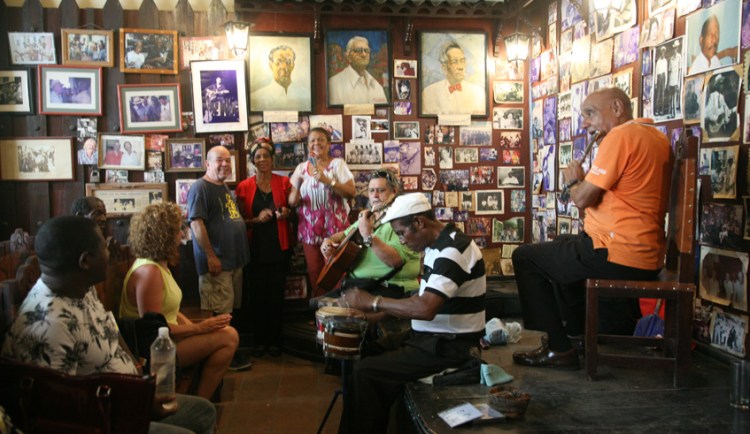
Casa de la Trova, Cuba, a space where local traditional music is showcased nightly.
Agrifest, St. Croix, an annual agricultural festival for the territory, the largest in the Caribbean
Carnival, Trinidad, dating back to the 1700s and a merging of all the diverse cultures of the island
Casa de la Trova, Cuba
The Caribbean is also host to a bevy of environmental wonders. It is home to many unique and diverse plant species and animals, found only in this region, both on land and in the sea. These amazing resources also face ongoing threats from climate change, overdevelopment, lack of resources and/or planning, and issues such as pollution. It has taken time to gain traction, but many are starting to realize there is much to lose and there has been too much lost already.
In response to growing outcries from community members and environmental activists, many Caribbean nations have set into play systems of marine protected areas (MPAs) and established more national parks as ways to provide further protective measures. These areas provide safe haven for wildlife while also becoming more accessible for locals and tourists alike.
Some examples of these MPAs include:
Hol Chan Marine Reserve, Belize
Buck Island Reef National Monument, US Virgin Islands
Bonaire National Marine Park, Bonaire
Bonaire National Marine Park, Bonaire
More effort and attention have been put to protecting our natural coastal ecosystems of coral reefs and mangroves. They have faced decades of overfishing, pollution, overdevelopment and climate change. We have lost much to development and lack of concern for our priceless natural resources, but if we can foster more care and attention, we can protect any further loss of life and diversity. Preservation efforts that have been most advantageous have been coral nursery and reef restoration endeavors, mangrove rehabilitation projects, and eco-monitoring and tracking of reefs and wildlife to measure health. Governments, scientists, universities, and community have had to all come together to the table to effectively create partnerships for the betterment of our ecosystems.
Considering we are host to many unique and diverse species, found only in this region, we must take extra care as those same species can become very vulnerable. NGOs such as the Caribbean Biodiversity Fund and other locally based non-profits have been instrumental in these conservation campaigns.
Some species that have become vulnerable include:
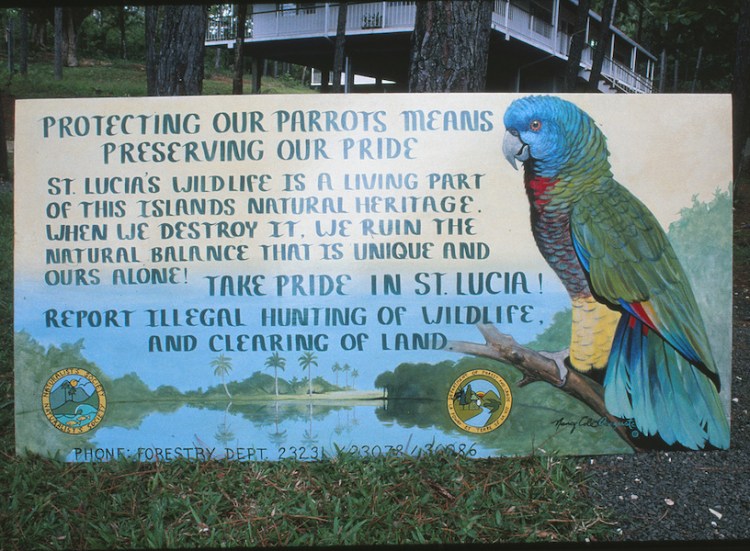
The St. Lucia Amazon Parrot is endemic to St. Lucia and the national bird. Campaigns have been carried out to educate the public to their vulnerability and the importance of safeguarding them.
The Jamaican Iguana is endemic to Jamaica. Once thought to be extinct, but now critically endangered. Conservation efforts have helped to protect the species.
The Montserrat Oriole is endemic to Montserrat. It is critically endangered due to habitat loss from climate change and volcanic activity.
St. Lucia Parrot Conservation Campaign, St. Lucia
As climate change keeps unrolling stronger hurricanes, rising sea levels and more unlikely weather conditions we have yet to face, our ecosystems and infrastructures are in constant threat. We need to reconsider things like reforestation, more stringent building codes, and better disaster preparedness. These things must now be seen as essential.
To do this we need regional collaboration. We lack the resources, funding and accessibility alone, but together we can unify and support one another. Key initiatives in place, like the Caribbean Challenge Initiative, the Caribbean Biodiversity Fund, and the Caribbean Community Climate Change Centre, are all Caribbean wide organizations and coalitions doing work to support the region’s biodiversity.
All this being said, preservation of any kind takes major support from community pushing it forward, but it needs leadership and legislation by local governments. Several Caribbean nations have Ministries, Departments or Agencies of Culture or Natural Resources, which have implemented heritage protection acts or environmental regulations. Funding and lack of resources can weigh heavy on projects not being realized, but with inter-Caribbean support and coalition, the chances are much better.
Intergovernmental Efforts include:
CARICOM Reparations Commission
Caribbean Action Plan for World Heritage (supporting UNESCO)
CRC aims to “establish the moral, ethical and legal case for the payment of Reparations by the Governments of all the former colonial powers and the relevant institutions of those countries, to the nations and people of the Caribbean Community for the Crimes against Humanity of Native Genocide, the Trans-Atlantic Slave Trade and a racialized system of chattel Slavery.”
Funding is always an issue worldwide, much less in the Caribbean, but having financial support from larger organizations is always a lifeline to realizing these necessary projects.
UNESCO and ICCROM provide grants for heritage training and restoration projects.
The World Bank and Inter-American Development Bank for climate change projects.
US Ambassadors Fund for Cultural Preservation for cultural preservation projects.
The Caribbean Biodiversity Fund for environmentally protected areas.
The Nature Conservancy, Global Heritage Fund, and World Monuments Fund offer technical support, research and platforms for projects.
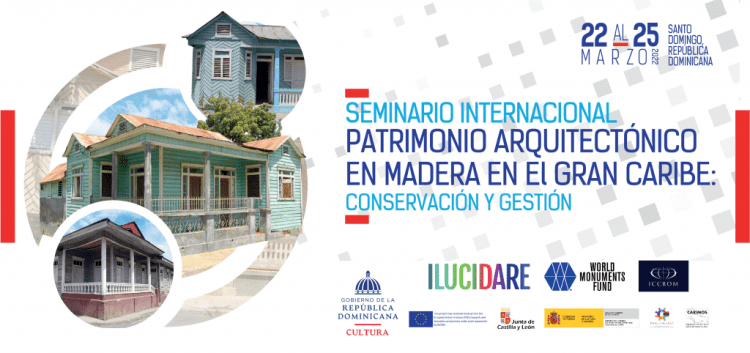
Wooden Architectural Heritage in the Greater Caribbean. Conservation and Management Seminar sponsored by ICCROM, World Monument Fund, & Ministry of Culture of the Dominican Republic from 2022
An alternative to funding issues and policy gaps, such as being understaffed, conflicting issues between development and conservation interests, little to no penalties for violations, is public-private partnerships. These are usually consisting of private businesses, non-profits, and communities working together in managing historic and cultural resources.
Projects where this has been carried out successfully include:
Cultural, Historic Districts
Revitalization /Redevelopment Plans
Protected Areas
Adaptive Reuse
There have been groups and collectives of individuals who are passionate about their history, stories, and legacy, and in a small grassroots type of effort, they have managed to save and reclaim their spaces and places. Due to resources and funding though, they have been more in a middle man space where they can ensure the authenticity of preserving the heritage and culture and then working between stakeholders and communities. However, their input is crucial to maintaining knowledge, legacy, and trust for genuine preservation.
Places where this model of grassroots efforts are occurring include:
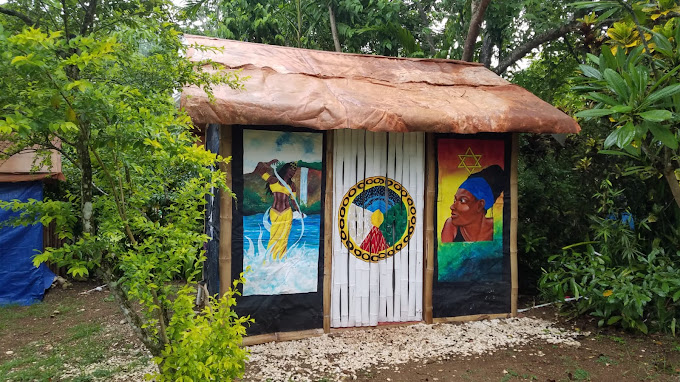
Rastafari Indigenous Village, Jamaica
Kalinago Council, Dominica
La Fundacion Grupo Mangle, Dominican Republic
Rastafari Indigenous Village, Jamaica
Actions that are manageable and impactful for preservation include recording oral histories and storytelling, passing on languages and teaching them in schools, celebrating festivals, digital archive projects which call out for community input, craft and skill programs and exchanges, apprenticeships, educating the public, creating stewardship for cultural and natural resources, youth engagement, etc.
With so many challenges facing the region environmentally and financially, there is also room for opportunities. In response to growing climate change threats, there are opportunities to begin to integrate preservation into climate action plans, for both built heritage and natural resources. As tourism can weigh heavy on the region, there is opportunity to foster more sustainable and inclusive community-based tourism. As funding is always a roadblock, there is opportunity for regional funding platforms, where revolving grants or endowments could be implemented. Finding ways to get youth engaged in an ever-growing technological world can be quite challenging, but unifying technology and access, bridging the gaps to reach current and future generations, can be a great way to not just digitize resources but make them more accessible for wider access. That being said, such technological efforts could be applied to digitally preserving built heritage, creating virtual reality tours or endangered sites, digitized mappings withs expanded stories and further elaborations.
Our region is beautiful, unique, and rich with culture, heritage and resources. We must ensure we do our best to preserve what is left so we lose nothing more, as well as engage future generations to carry the torch forward with just as much ownership of identity and culture. We will face more challenges, it goes without question, but we must be prepared. We need to understand preservation is not a luxury, but a necessity.
Puerto Rico was one of the epicenters of the Classic Tainos civilization, along with surrounding Puerto Rican islands (Vieques, Culebra), Hispaniola (modern day Dominican Republic/Haiti), and parts of the Virgin Islands (St. Croix, St. John, St. Thomas, Tortola, etc.). The Tainos were an Arawakan people who had descended from peoples who migrated from South America throughout the years. There were variants of the Taino, Eastern Tainos (from the Virgin Islands southward), Classic Tainos (Virgin Islands, Puerto Rico, Hispaniola), and Western Tainos (Jamaica, Cuba); however, the Classic Tainos were the most unfiltered and uninfluenced by surrounding tribes like the Eastern Tainos with the Caribs of the Lesser Antilles or the Western Tainos with the Guanahatabey of Cuba. The Classic Tainos were more developed culturally and linguistically and were “identified with the most complex and intensive traditions, and are represented archaeologically by “Chican-Ostionoid” material culture.” [1] The Chican era was a late part of the Ostioniod period which ran approximately from A.D. 600 to 1200.
16th century image of a Caribbean native house. Plate 113, Histoire naturelle des Indes: The Drake Manuscript in the Pierpont Morgan Library
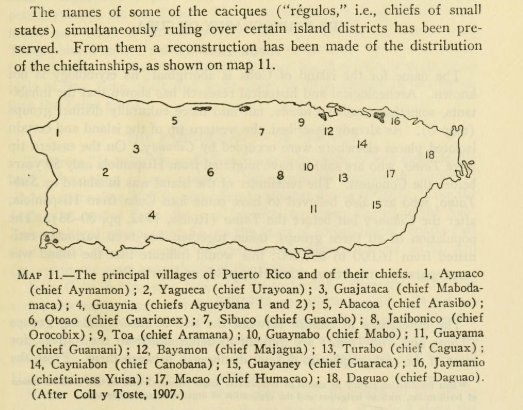
Remnants have been uncovered across the Caribbean and still continue to be discovered from these indigenous people. In the Greater Antilles where the Classic Tainos thrived, archaeological sites, petroglyphs, pottery fragments, and tools continue to be found. As well, much of the lexicon of today includes many integrated Taino words — Borikén (“the great land of the valiant and noble Lord”, Boriquen, Puerto Rico), canoa (canoe), Hurakán (hurricane and “god of the storm”), tuna (prickly pear), colibri (hummingbird), tabako (tobacco), wanaban (guanabana or soursop), papaya, yuca (cassava root), mamey, barbacoa (barbecue), cokí (coqui or small tree frog), iguana, hamaca (hammock), … In Puerto Rico the largest remnants have been uncovered as it was a central island for the Tainos, hosting about 18 caciques (chiefs) and their respective villages across the island. One such place was Otoao, modern day Utuado, located in the Cordillera Central (Puerto Rico’s centralized mountainous area), where the Caguana Indigenous Ceremonial Park is located.
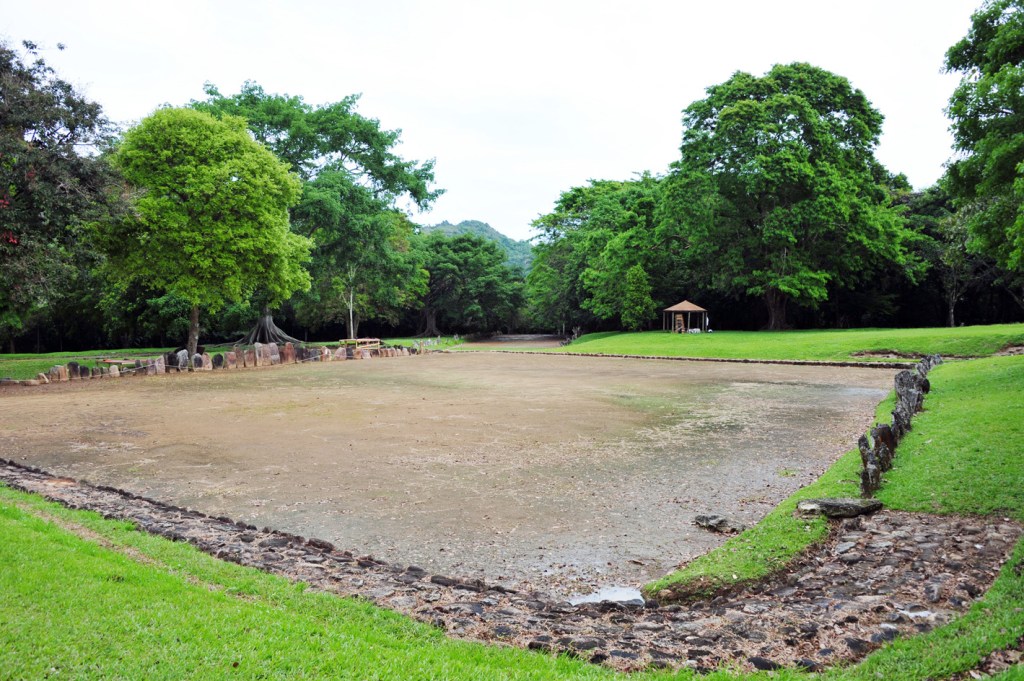
Caguana Indigenous Ceremonial Park – Plaza (Photo courtesy: Dr. Antonio Rafael de la Cova)
Caguana is one the largest and most complex indigenous ceremonial sites in the whole of the Caribbean. It is situated in the Tanama River Valley consists of a couple large plazas, 10 stone-lined ball courts (called bateys, named after the balls (batey) where a type of hand ball game was played), a ceremonial dancing court (called areyto, where song, dance and story came together for ceremonies), a religious mound, and many stone carved petroglyphs. From the archaeological work carried out in this site, it was concluded that this site had both pre-Taino and Taino remnants. In the Taino time, it was not a regular yucayeque (village) as it had been in the pre-Taino time, but more of a ceremonial site that was used for special occasions (and obviously batey games) by several surrounding villages and not a continuously occupied area. Some do speculate if the batey games were more of a way of settling disagreements, ownership issues, aliiances, etc., either way it was very central to their way of doing things and very much a ceremonial act.
Stone carved petroglyphs (Photo courtesy: Dr. Antonio Rafael de la Cova)Ceremonial dancing court
Indigenous sites like this at Caguana provide great insight into the Tainos, which is one of the Caribbean’s closest and most influential ancestors to this day. It is interesting that most of their ancestors, both those coming from South America and Central America, have many similarities such as the plazas and ball courts. There is controversy regarding the “true” descendant lines of the Tainos, as Colombus was said to have eradicated them, however, many Puerto Ricans, along with others in the Classic Taino Greater Antilles area, have been found to have DNA linking them to the Tainos, South American and Central American indigenous ancestry.
Even though this site has been a National Register site since 1993, it is still not fully protected and free from threat, there is still harm from natural disasters like hurricanes which further degrade the site and stones, and also from the local government, who in early 2022 tried to transfer the ownership of the site from the Institute of Puerto Rican Culture to the City of Utuado, and as it was rumored, to make way for further development through privatization. This was met with a great fight of pro-Taino and Taino descendants who used the argument that an indigenous sacred site could never be private, and it seems to have been approved for the time being as of late 2022.
More needs to be done to maintain the preservation, safety, and well-being of these indigenous sites across the Caribbean, be it further education, advocacy, and potential grant funding. The more knowledge Caribbean people have of their ancestry and heritage, the more ownership, pride and stewardship comes into play. Speaking for myself, who has Taino and indigenous heritage in my ancestral lines via Puerto Rico, I look to these places as irreplaceable gifts to envision a part of what makes me. Not many have that. We owe it to future generations to do better and be better. We are not landowners, but caretakers.
Did you ever wonder how far stretching the Prairie School architectural movement had reached? How about walking the streets of Humacao in Puerto Rico and catching a glimpse of something that looked straight out of Frank Lloyd Wright’s portfolio? Enter, the Casa Roig Museum. Built in 1920 by notable Czech architect Antonin Nechodoma, Casa Roig was originally designed as a residence for the prominent Roig family in Humacao, in the Prairie School style. It is an outstanding example of the architectural style and is undeniably influenced by Frank Lloyd Wright.
Casa Riog before restoration and preservation work commenced, 1977. (Photo credit: National Park Service)





 Heritage Matters