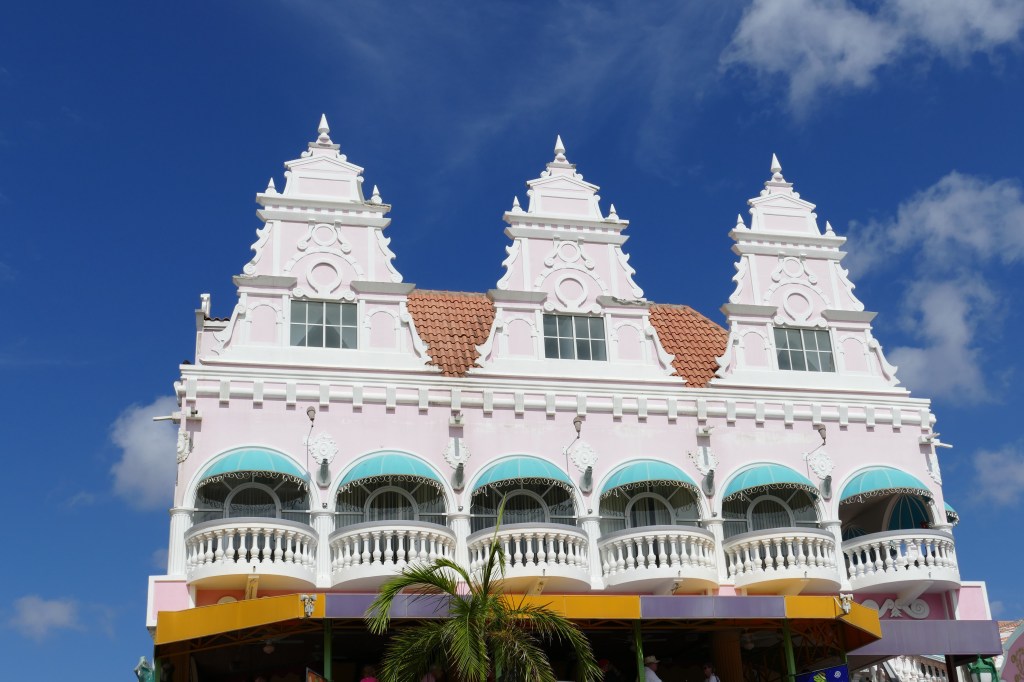
The Dutch West Indies—comprising present-day Aruba, Curaçao, Sint Maarten, Bonaire, Saba, and Sint Eustatius—are home to some of the Caribbean’s most architecturally distinctive and historically significant sites. From the UNESCO World Heritage-designated historic center of Willemstad to the preserved colonial buildings on Sint Eustatius and the traditional Cunucu houses in Aruba, these islands offer a rich tapestry of built heritage shaped by Indigenous, African, European, and maritime histories.
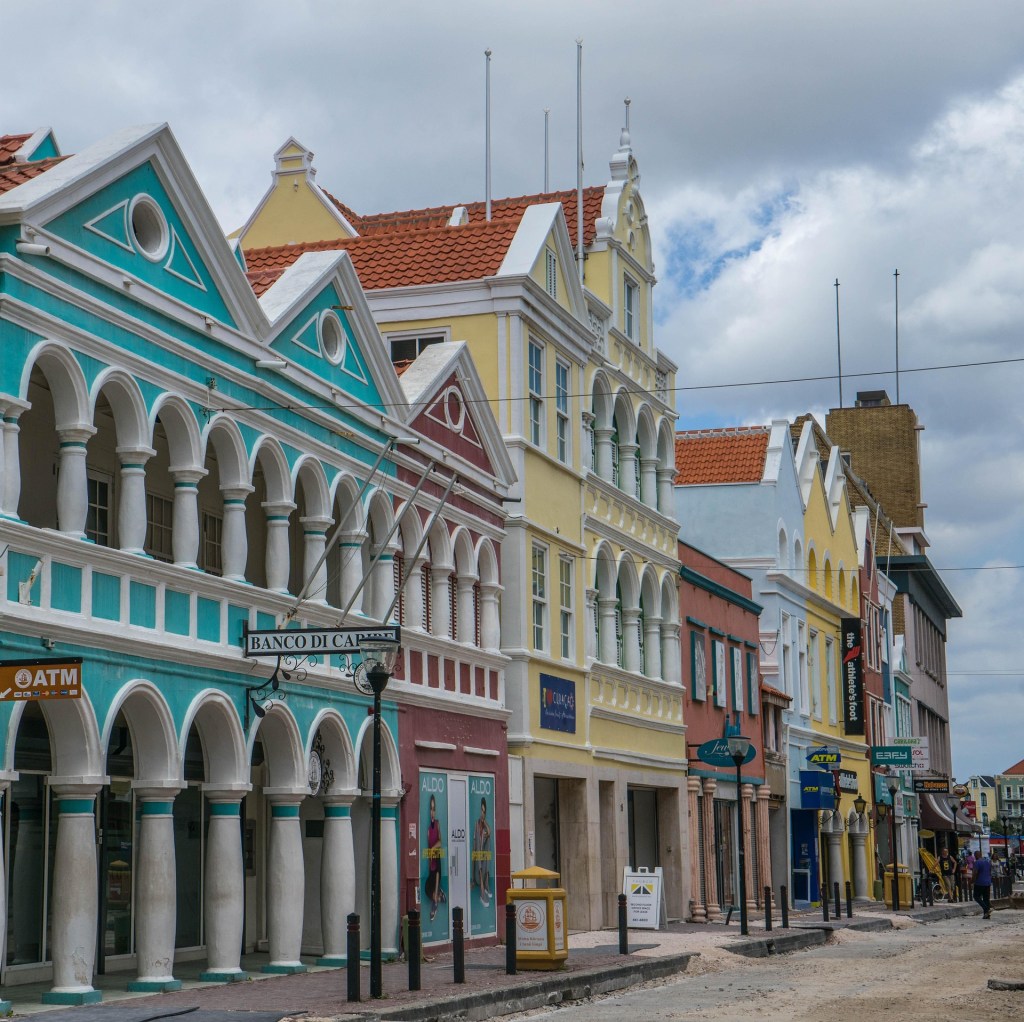
Preserving this multifaceted legacy across the Dutch Caribbean requires a strategic blend of policy, public engagement, education, and sustainable tourism. This post outlines the key resources available for historic preservation in the Dutch West Indies, highlighting government efforts, regional partnerships, nonprofit support, and community-based action.
Government Bodies and Policy Frameworks
Monuments Councils and Monument Funds (Monumentenfondsen)
Each Dutch Caribbean island has a local Monuments Council or Monument Fund responsible for preserving and promoting heritage sites. These entities often provide grants for restoration, offer technical guidance, and ensure compliance with heritage laws.
- Stichting Monumentenfonds Curaçao (SMC)
The primary agency for managing historical site preservation in Curaçao, providing loans and advice for the restoration of heritage buildings.- Website: www.monumentenfonds.com
- Monumentenbureau Bonaire
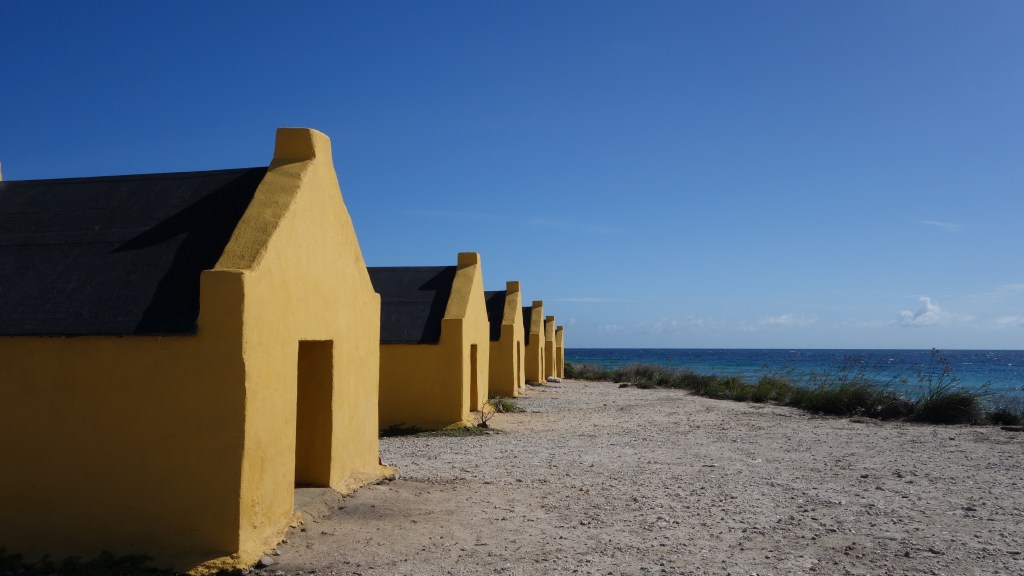
This body manages Bonaire’s registry of monuments and promotes awareness about the conservation of the island’s architectural heritage.- Website: www.monumentenbureaubonaire.org
- Fundacion Monumento Arubano (FMA)
Aruba’s leading organization in registering, conserving, and promoting heritage buildings.- Website: www.monumentaruba.com
- Fundashon Pro Monumento (ProMo)
Curaçao-based nonprofit that works on the adaptive reuse of heritage buildings, offering restoration advice, and raising awareness about endangered structures.- Website: www.promonumento.org
- Stichting Sint Eustatius Monuments
A nonprofit in Sint Eustatius focused on maintaining and documenting the island’s 18th and 19th-century townscape, including its churches, forts, and merchant houses.- Website: www.sint-eustatius-monuments.org
- Saba Heritage Center
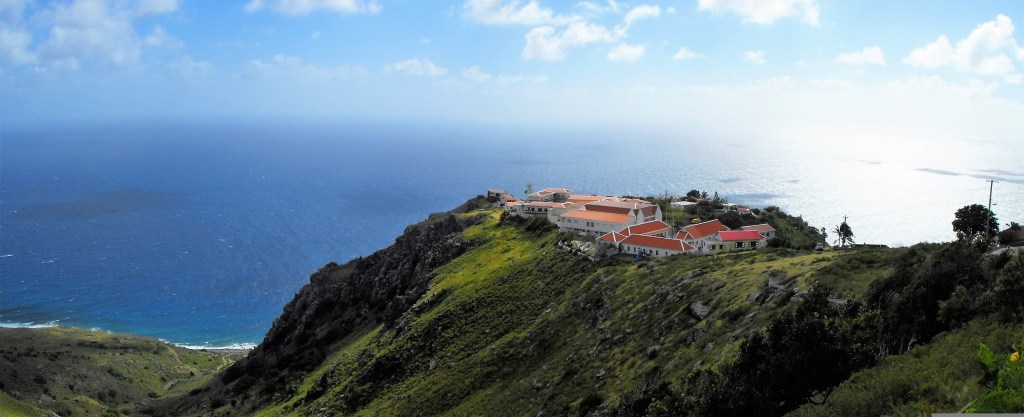
The center promotes the preservation of Saba’s traditional “Saba houses” and offers cultural programs and oral history projects.- Website: https://sabaheritagecenter.org/
Each fund typically works in coordination with the island’s local planning departments to support restoration permits, surveys, and compliance with heritage laws.
National Heritage Institutions (Netherlands and Kingdom-Wide)
Dutch Cultural Heritage Agency (Rijksdienst voor het Cultureel Erfgoed – RCE)
The RCE supports the entire Kingdom of the Netherlands—including its Caribbean territories—through research, funding programs, policy guidance, and heritage training. In the Dutch Caribbean, the RCE collaborates on:
- Disaster risk management for historic structures
- Community engagement in heritage work
- Architectural research and heritage inventories
- Technical training in traditional materials and conservation
Website: https://english.cultureelerfgoed.nl
National Archives of the Netherlands – Caribbean Region
Archives located in Curaçao, Aruba, and the Netherlands house vital colonial-era records, building plans, maps, and legal documents essential for researchers, architects, and historians conducting restoration and site interpretation.
Website: https://nationaalarchief.nl
UNESCO and World Heritage Support
UNESCO World Heritage – Willemstad, Curaçao
The historic center of Willemstad, with its colorful Dutch colonial architecture and grid-planned districts, is a UNESCO World Heritage Site. This designation brings additional visibility, international technical support, and preservation planning standards to the island. Heritage professionals across the Dutch Caribbean often look to Willemstad’s model for guidance.
Website: https://whc.unesco.org/en/list/819
Educational & Professional Institutions
University of Curaçao (UoC)
UoC offers academic programs that include heritage studies, architecture, law, and cultural preservation. The university collaborates with heritage organizations to conduct research, host conferences, and create digital archives related to Caribbean heritage.
Website: www.uoc.cw
Instituto Pedagogico Arubano (IPA)
Aruba’s teacher-training institution integrates heritage education and cultural identity into its curriculum, helping shape a new generation of professionals dedicated to preserving local traditions and architecture.
Website: www.ipa.edu.aw
Nonprofits, Community Organizations & Local Partnerships
Fundashon Pro Monumento (ProMo) – Curaçao
This organization is dedicated to promoting the restoration and adaptive reuse of Curaçao’s heritage buildings. It raises awareness about endangered structures and engages in advocacy efforts for long-term preservation.
Website: www.promonumento.org
Saba Heritage Center
In Saba, the Heritage Center promotes the preservation of the island’s traditional architecture, including the iconic “Saba houses.” The center also hosts cultural programming and is involved in oral history projects to capture the island’s cultural narratives.
Website: www.sabaheritagecenter.com
Sint Eustatius Monuments Foundation
This foundation is responsible for the preservation of Sint Eustatius’ rich 18th and 19th-century historical buildings. It works closely with the government to implement long-term preservation strategies.
Website: www.sint-eustatius-monuments.org
Stichting Sint Maarten Heritage Foundation
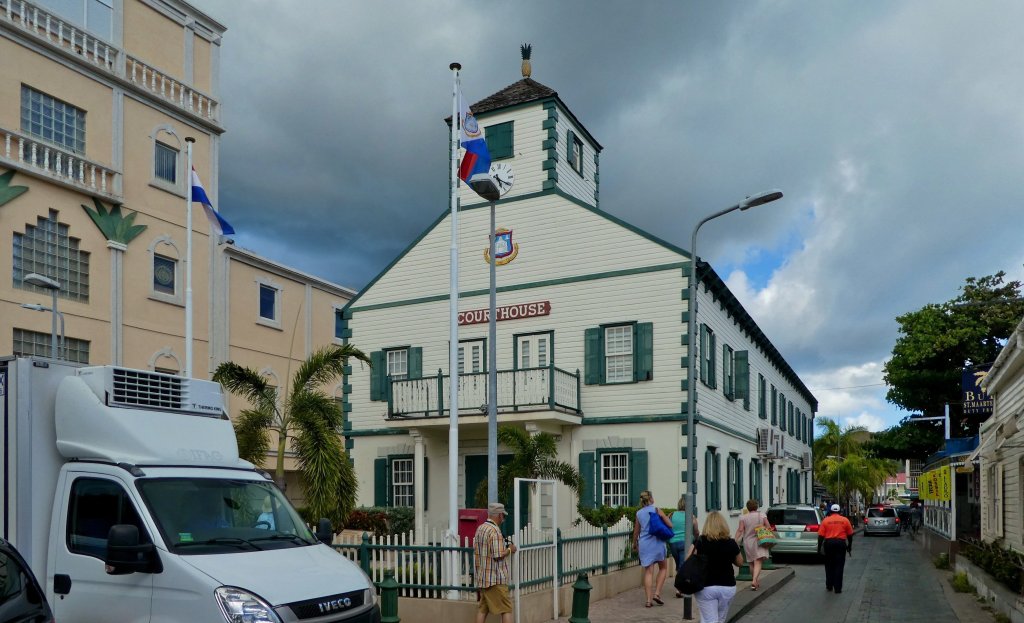
Sint Maarten is home to several historic districts, and this foundation is dedicated to preserving and promoting the island’s heritage. The foundation works with local authorities to safeguard historic sites and promote cultural awareness.
Website: www.sintmaartenheritage.org
Funding & Preservation Tools
Dutch Lottery Heritage Funding (Prins Bernhard Cultuurfonds)
This funding body provides financial support for heritage and cultural projects across the Dutch Kingdom, including the Caribbean territories. It is an essential resource for organizations seeking to preserve the architectural legacy of the islands.
Website: www.cultuurfonds.nl
European Union Cultural Cooperation Grants
Occasionally, EU grants are available to Dutch Caribbean islands for cultural projects, including heritage preservation efforts, through partnerships and cultural diplomacy initiatives.
Website: EU Cultural Cooperation
Local Heritage Tax Incentives & Subsidies
Several islands in the Dutch Caribbean, including Curaçao and Aruba, offer tax incentives and subsidies to encourage the restoration and maintenance of historic buildings. These initiatives incentivize private investment in preserving heritage structures.
Challenges and Ongoing Efforts
The Dutch Caribbean faces numerous preservation challenges, including rapid tourism development, gentrification, vulnerability to hurricanes, and the impact of climate change. Nevertheless, there is a growing movement of locals, architects, and policymakers advocating for a sustainable, community-centered approach to conservation.
Key Strategies Include:
- Adaptive Reuse of Heritage Sites
Encouraging the reuse of heritage sites for modern functions while preserving their historical value. - Heritage Tourism
Developing tourism models that celebrate local traditions, stories, and communities while also promoting the conservation of historic sites. - Training Young Professionals
Providing education and training in traditional materials, building techniques, and restoration practices to ensure a new generation is prepared for heritage preservation. - Climate Resilience
Incorporating climate-resilient practices into preservation efforts to safeguard structures from the increasing risks posed by hurricanes and rising sea levels.
The historic built environment of the Dutch Caribbean is not just a collection of buildings; it is a reflection of the islands’ rich and diverse cultural heritage. From the UNESCO-listed Willemstad to the traditional Cunucu houses in Aruba, every structure tells a story of survival, adaptation, and creativity. Preservation is more than a technical endeavor; it is a cultural, social, and environmental necessity that ensures the legacy of the past continues to shape the future.
Across the islands of Curaçao, Aruba, Bonaire, Sint Eustatius, Sint Maarten, Saba, and beyond, efforts to protect and celebrate heritage are growing stronger. Through the work of government agencies, nonprofit organizations, local communities, and educational institutions, the Dutch Caribbean is taking significant strides toward safeguarding its built heritage.
 HERITAGE MATTERS
Leave a comment