The Caribbean boasts well over 7,000 islands, many of which are some of the world’s most diverse cultural and ecological treasures, ranging from some of the earliest fortifications in Puerto Rico, to rich coral reefs in Belize. It is home to priceless heritage, but many of it is facing growing threats.
This article will explore preservation efforts in the region, which have had to shift focus thanks to climate change, tourism, and over development. No matter what the attention or project may be, these efforts expound more about resilience, innovation, and cultural pride.

The region is layered with history, from pre-colonial ruins laying under a modern shopping center, to colonial buildings and/or fortresses turned into stores or offices. It is through the collectively owned stories of our homes that the voices of our ancestors are passed down. The preservation of cultural heritage is one that we cannot afford to bungle.
Caribbean-wide, preservation projects provide ways to carry forward historic architecture that is the heart of place and time. Preservation can be an act of resistance, activism, pride, and community. It can also be an opportunity to come face to face with histories that we can finally take ownership of with all of the facts.
Climate change, hurricanes, earthquakes, flooding, rising sea levels, all pose a severe growing threat as the years go by. It is requiring us to be more mindful of how we approach and plan preservation projects, materiality used, as well as finding ways to “future-proof” them in some way without altering their historical integrity,
Some celebrated restoration projects across the region include:
- Old Havana,Cuba, a UNESCO listed site
- Cathédrale de St-Pierre et St-Paul, Guadeloupe, a beautifully restored 1800s church
- Devon House, Jamaica, restored former dwelling of George Steibel turned museum/National Heritage Site
The region is also home to about 25 UNESCO World Heritage Sites, all showcasing the beauty, uniqueness, and diversity of the cultures and histories that make up the Caribbean. They are all different and run the scope from natural parks to entire city centers all with great historic and cultural significance.
A few of the 25 UNESCO sites include:
- Historic Area of Willemstad, Curaçao, city center with Portuguese, Spanish and Netherlands influence
- Blue & John Crow Mountains, Jamaica, an extensive mountain range that is home to many unique, local flora & fauna
- Historic Town of St. George & Related Fortifications, Bermuda, city center steeped in English colonial history with remaining historic fortifications
To achieve UNESCO status is quite a feat, but to maintain it takes much more work while many of these places continue to balance authenticity with looming gentrification, tourism, over-development.
One way in which preservation can happen is through community – it’s all about people. Community is how we can protect, engage, and pass on our cultural identity. It happens through music, food, storytelling, crafts, events, dance, ceremonies , … This can look like celebrations of local history and heritage, youth programs promoting cultural education, sharing local craftwork, teaching local dance and music, … This is how we empower community to know their culture, heritage and history.
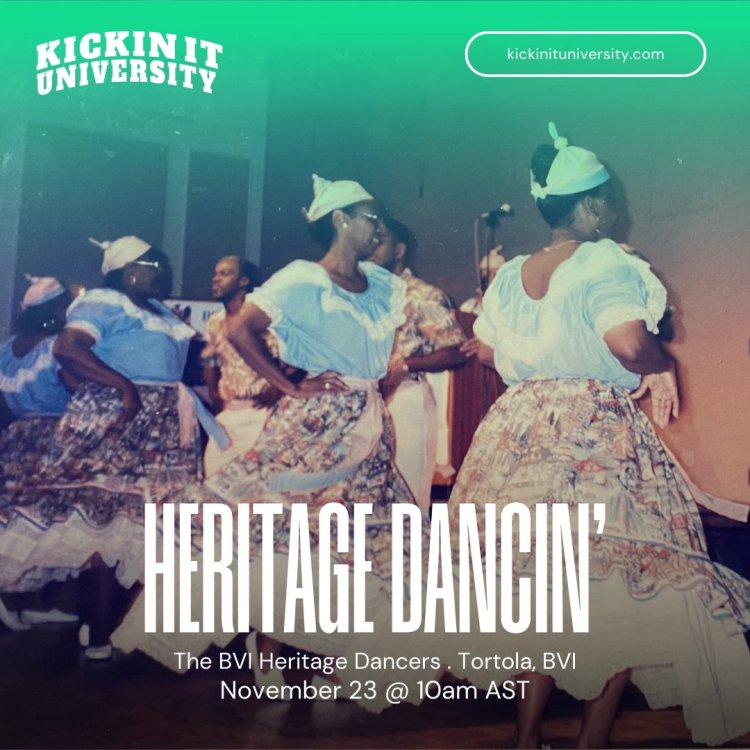
Despite being in the 21st century, many Caribbean nations still struggle with the aftermath of colonialism, which when not appropriately discussed and highlighted, can erase entire communities and their heritage, as well as taint authentic histories and legacy. It is imperative that we authentically face the entire truths of history, good and bad, for culture and community. We must be inclusive to all the people, communities and histories of our islands through time.
Issues & challenges abound, like:
- Gentrification, displacement, over-development, and brain drain continue to threaten Caribbean nations.
- Lack of funding and resources hold us back regionally from being able to realize more historic & cultural projects.
- Lack of cultural sharing and language loss, especially within indigenous groups like Garifuna (Belize) or Kalinago (Dominica) can expedite entire loss of communities
But, with more cultural and historical education efforts early on, passing down oral histories, ceremonies, dance, music, food, language, … stressing the importance of owning these stories, art forms, and histories of spaces, we can keep our culture alive for generations to come.
Heritage tourism is another avenue in which we can present a more authentic version of ourselves and place, for tourists to see us for who we are and not to cater to their whims. When done effectively and respectfully, it can produce income while still emphasizing cultural identity and pride.
Places that have managed to take on this challenge effectively include:
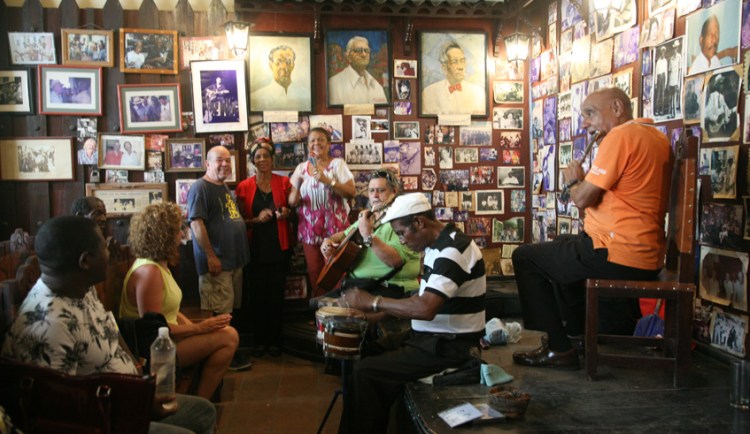
- Casa de la Trova, Cuba, a space where local traditional music is showcased nightly.
- Agrifest, St. Croix, an annual agricultural festival for the territory, the largest in the Caribbean
- Carnival, Trinidad, dating back to the 1700s and a merging of all the diverse cultures of the island
The Caribbean is also host to a bevy of environmental wonders. It is home to many unique and diverse plant species and animals, found only in this region, both on land and in the sea. These amazing resources also face ongoing threats from climate change, overdevelopment, lack of resources and/or planning, and issues such as pollution. It has taken time to gain traction, but many are starting to realize there is much to lose and there has been too much lost already.
In response to growing outcries from community members and environmental activists, many Caribbean nations have set into play systems of marine protected areas (MPAs) and established more national parks as ways to provide further protective measures. These areas provide safe haven for wildlife while also becoming more accessible for locals and tourists alike.
Some examples of these MPAs include:
- Hol Chan Marine Reserve, Belize
- Buck Island Reef National Monument, US Virgin Islands
- Bonaire National Marine Park, Bonaire

More effort and attention have been put to protecting our natural coastal ecosystems of coral reefs and mangroves. They have faced decades of overfishing, pollution, overdevelopment and climate change. We have lost much to development and lack of concern for our priceless natural resources, but if we can foster more care and attention, we can protect any further loss of life and diversity. Preservation efforts that have been most advantageous have been coral nursery and reef restoration endeavors, mangrove rehabilitation projects, and eco-monitoring and tracking of reefs and wildlife to measure health. Governments, scientists, universities, and community have had to all come together to the table to effectively create partnerships for the betterment of our ecosystems.
Considering we are host to many unique and diverse species, found only in this region, we must take extra care as those same species can become very vulnerable. NGOs such as the Caribbean Biodiversity Fund and other locally based non-profits have been instrumental in these conservation campaigns.
Some species that have become vulnerable include:
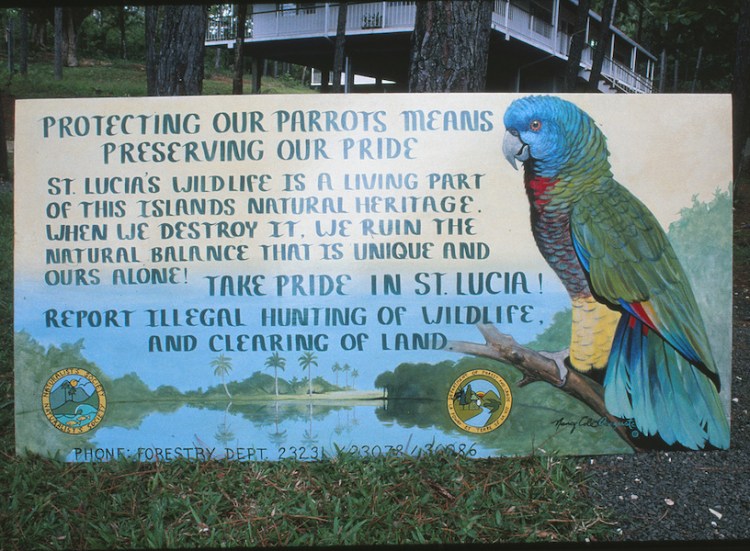
- The St. Lucia Amazon Parrot is endemic to St. Lucia and the national bird. Campaigns have been carried out to educate the public to their vulnerability and the importance of safeguarding them.
- The Jamaican Iguana is endemic to Jamaica. Once thought to be extinct, but now critically endangered. Conservation efforts have helped to protect the species.
- The Montserrat Oriole is endemic to Montserrat. It is critically endangered due to habitat loss from climate change and volcanic activity.
As climate change keeps unrolling stronger hurricanes, rising sea levels and more unlikely weather conditions we have yet to face, our ecosystems and infrastructures are in constant threat. We need to reconsider things like reforestation, more stringent building codes, and better disaster preparedness. These things must now be seen as essential.
To do this we need regional collaboration. We lack the resources, funding and accessibility alone, but together we can unify and support one another. Key initiatives in place, like the Caribbean Challenge Initiative, the Caribbean Biodiversity Fund, and the Caribbean Community Climate Change Centre, are all Caribbean wide organizations and coalitions doing work to support the region’s biodiversity.
All this being said, preservation of any kind takes major support from community pushing it forward, but it needs leadership and legislation by local governments. Several Caribbean nations have Ministries, Departments or Agencies of Culture or Natural Resources, which have implemented heritage protection acts or environmental regulations. Funding and lack of resources can weigh heavy on projects not being realized, but with inter-Caribbean support and coalition, the chances are much better.
Intergovernmental Efforts include:
- CARICOM Reparations Commission
- Caribbean Action Plan for World Heritage (supporting UNESCO)
Funding is always an issue worldwide, much less in the Caribbean, but having financial support from larger organizations is always a lifeline to realizing these necessary projects.
- UNESCO and ICCROM provide grants for heritage training and restoration projects.
- The World Bank and Inter-American Development Bank for climate change projects.
- US Ambassadors Fund for Cultural Preservation for cultural preservation projects.
- The Caribbean Biodiversity Fund for environmentally protected areas.
- The Nature Conservancy, Global Heritage Fund, and World Monuments Fund offer technical support, research and platforms for projects.
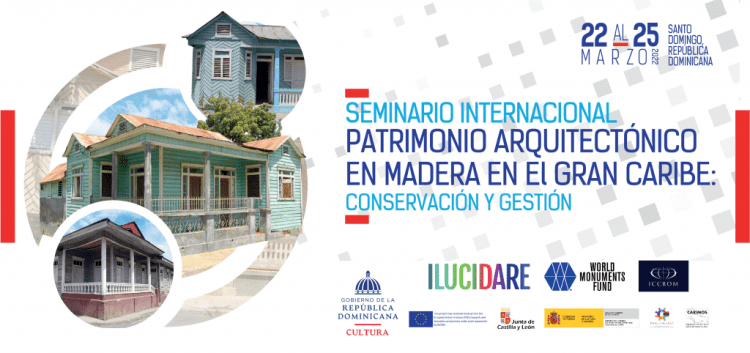
An alternative to funding issues and policy gaps, such as being understaffed, conflicting issues between development and conservation interests, little to no penalties for violations, is public-private partnerships. These are usually consisting of private businesses, non-profits, and communities working together in managing historic and cultural resources.
Projects where this has been carried out successfully include:
- Cultural, Historic Districts
- Revitalization /Redevelopment Plans
- Protected Areas
- Adaptive Reuse
There have been groups and collectives of individuals who are passionate about their history, stories, and legacy, and in a small grassroots type of effort, they have managed to save and reclaim their spaces and places. Due to resources and funding though, they have been more in a middle man space where they can ensure the authenticity of preserving the heritage and culture and then working between stakeholders and communities. However, their input is crucial to maintaining knowledge, legacy, and trust for genuine preservation.
Places where this model of grassroots efforts are occurring include:
- Rastafari Indigenous Village, Jamaica
- Kalinago Council, Dominica
- La Fundacion Grupo Mangle, Dominican Republic
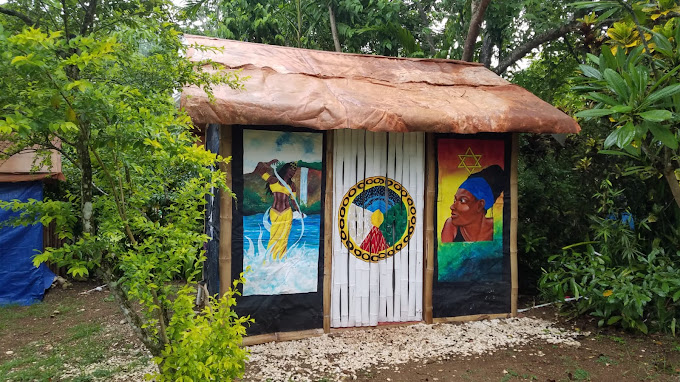
Actions that are manageable and impactful for preservation include recording oral histories and storytelling, passing on languages and teaching them in schools, celebrating festivals, digital archive projects which call out for community input, craft and skill programs and exchanges, apprenticeships, educating the public, creating stewardship for cultural and natural resources, youth engagement, etc.
With so many challenges facing the region environmentally and financially, there is also room for opportunities. In response to growing climate change threats, there are opportunities to begin to integrate preservation into climate action plans, for both built heritage and natural resources. As tourism can weigh heavy on the region, there is opportunity to foster more sustainable and inclusive community-based tourism. As funding is always a roadblock, there is opportunity for regional funding platforms, where revolving grants or endowments could be implemented. Finding ways to get youth engaged in an ever-growing technological world can be quite challenging, but unifying technology and access, bridging the gaps to reach current and future generations, can be a great way to not just digitize resources but make them more accessible for wider access. That being said, such technological efforts could be applied to digitally preserving built heritage, creating virtual reality tours or endangered sites, digitized mappings withs expanded stories and further elaborations.
Our region is beautiful, unique, and rich with culture, heritage and resources. We must ensure we do our best to preserve what is left so we lose nothing more, as well as engage future generations to carry the torch forward with just as much ownership of identity and culture. We will face more challenges, it goes without question, but we must be prepared. We need to understand preservation is not a luxury, but a necessity.
Discover more from Heritage Matters
Subscribe to get the latest posts sent to your email.
 Heritage Matters